

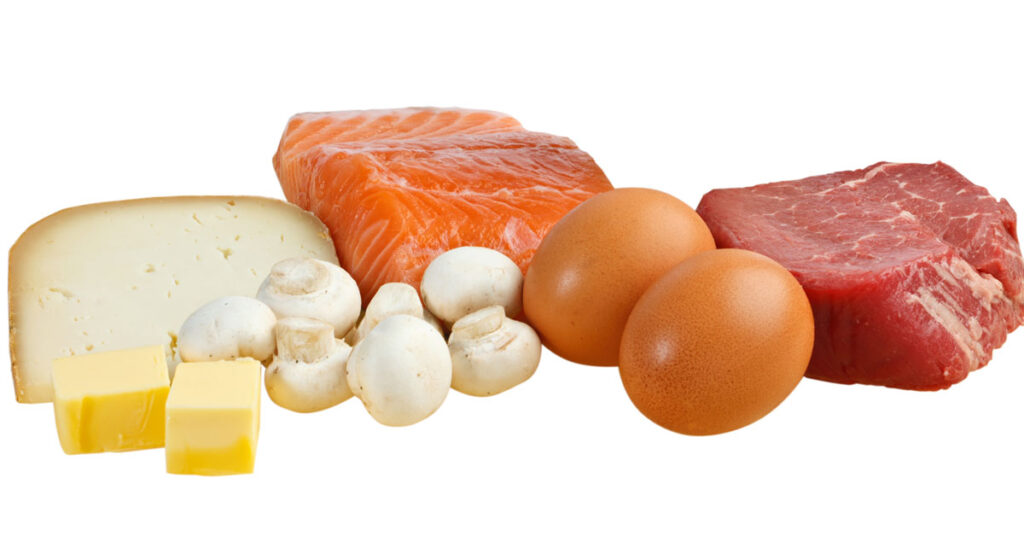
Despite common misconceptions, fat plays an essential role in maintaining our vitality and well-being. Found naturally in everything from fresh dairy and quality meats to wholesome nuts and carefully selected oils, fat serves as more than simple fuel—it supports vitamin absorption, promotes healthy growth, and forms the foundation of optimal health.
Rather than eliminating fat entirely, the key lies in thoughtful moderation and informed choices. Because fat contains more energy per gram than any other nutrient, mindful consumption supports healthy weight management, reduces the risk of type 2 diabetes, and nurtures cardiovascular wellness.
The distinction between beneficial and harmful fats can transform your approach to nutrition and long-term health.
Nourishing Fats
These carefully chosen fats support your heart, enhance cognitive function, and promote overall vitality when enjoyed as part of a balanced lifestyle.
EPA and DHA Omega-3 Fatty Acids
These remarkable heart-supporting fats may help maintain healthy triglyceride levels in your bloodstream. You’ll find omega-3s in premium fatty fish like wild salmon, as well as high-quality algal oil and specially enriched eggs or dairy products.
Monounsaturated and Polyunsaturated Fats
Celebrated for their ability to improve cholesterol profiles, these fats also enhance mood, sharpen memory, support concentration, and promote clear communication. Excellent sources include creamy avocados, premium nuts and seeds, natural peanut butter, extra-virgin olive oil, and thoughtfully selected vegetable oils.
Fats to Approach with Caution
While these fats may raise concerning cholesterol levels and increase health risks, understanding their role helps you make informed decisions.
Saturated Fats
Naturally present in animal products such as quality meats and dairy, saturated fats also appear in many processed and fried foods. While they can elevate LDL cholesterol and potentially increase cardiovascular risk, small amounts provide quick energy for both body and mind. Examples include the marbling in premium cuts of meat, artisanal high-fat cheeses, whole milk, butter, and traditional ice cream.
Trans Fats
Often created through industrial processing that converts liquid oils into solid fats, trans fats present the greatest concern. They simultaneously raise harmful LDL cholesterol while lowering beneficial HDL cholesterol, potentially increasing risks of diabetes, stroke, and heart disease. While trace amounts occur naturally in some meats and dairy, the processed versions pose the greatest challenge. When shopping, look for “partially hydrogenated oils” or “shortening” on ingredient labels, and remain mindful that packaged foods with extended shelf lives often contain these concerning fats.
Your Path Forward
Fat remains a vital nutrient—the quality makes all the difference. By thoughtfully replacing concerning fats with heart-nourishing alternatives and practicing mindful moderation, you create a foundation for balanced nutrition. Making informed choices at the market and in your kitchen becomes an investment in your heart health, cognitive vitality, and overall well-being.
Together, we can help you navigate these nutritional choices with confidence, ensuring every decision supports your family’s health and peace of mind.
{{head}}